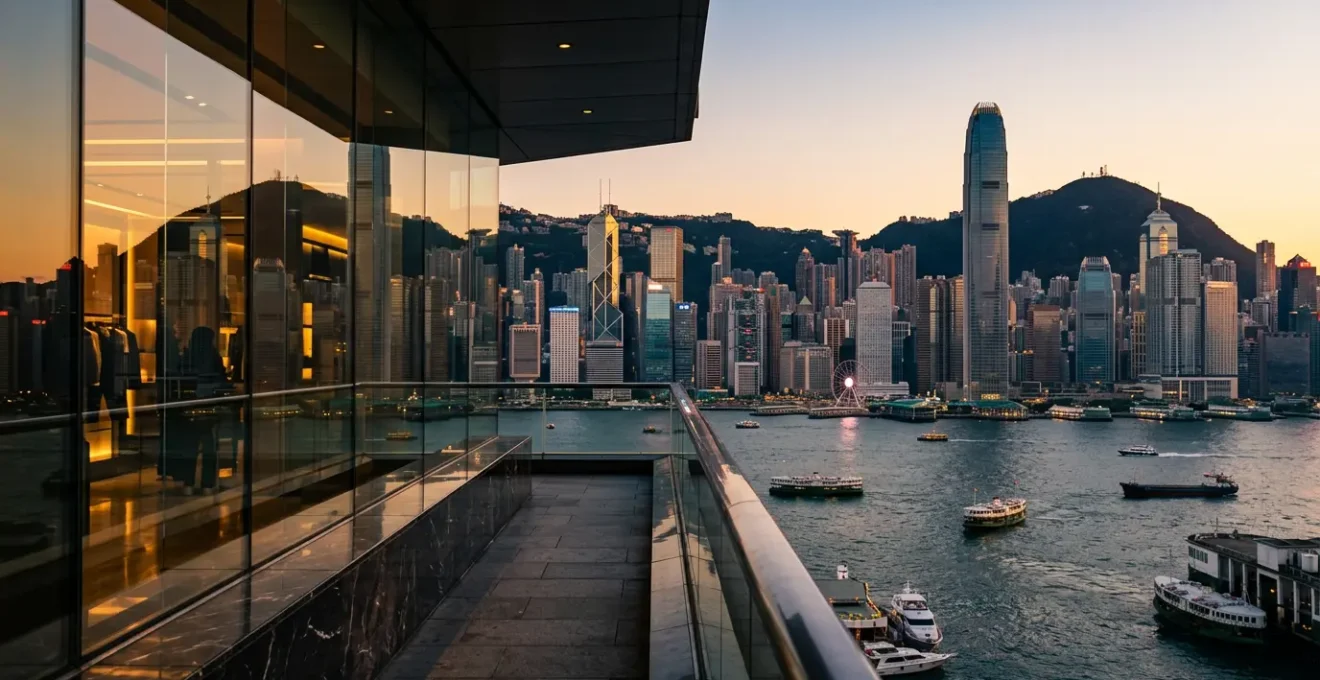
Hong Kong’s 0% sales tax does not automatically guarantee a lower price for luxury goods; the city’s true advantage lies in access to exclusive collections and rare items.
- The final “landed cost” is a complex equation of exchange rates, bank fees, and potential import duties upon returning home.
- Strategic choices, from mall selection to leveraging pre-loved markets, are critical to maximizing value.
Recommendation: Perform a ‘Total Landed Cost’ analysis for each potential purchase to determine the true net price advantage over buying in your home country.
The persistent allure of Hong Kong as a luxury shopping destination is built on a simple, powerful premise: it’s a tax-free port. For decades, this has attracted sophisticated buyers worldwide, operating under the assumption that the absence of VAT or sales tax directly translates to significant savings. While this holds a kernel of truth, the modern luxury landscape is far more complex. A purchase is no longer just a transaction; it’s a strategic financial decision.
Many guides will point you to the glittering storefronts of Canton Road, armed with the simple advice to “enjoy the tax-free prices.” However, this perspective overlooks critical variables that can erode or even negate the perceived discount. Fluctuating exchange rates, credit card foreign transaction fees, and the often-forgotten customs duties when returning home can quickly turn a bargain into an expensive miscalculation. The real question is not whether the sticker price is lower, but whether the total landed cost makes the purchase a sound investment.
This analysis moves beyond the surface-level “tax-free” narrative. We will treat the question as a pricing analyst would: by dissecting every component of the cost, evaluating the intangible value of exclusivity, and providing a data-driven framework to determine if buying luxury in Hong Kong is truly cheaper for you. This guide will equip you with the tools to calculate your net price advantage, navigate the retail environment strategically, and make every purchase an intelligent one.
To fully deconstruct this challenge, this guide will provide an in-depth analysis of the key factors influencing your luxury purchases. The following sections offer a structured approach to making informed decisions in Hong Kong’s dynamic retail market.
Summary: A Strategic Guide to Hong Kong Luxury Shopping
- Price Check: Are Handbags Actually Cheaper Given the Exchange Rate?
- Limited Editions: Why Is Hong Kong the Best Place to Find Rare Items?
- Canton Road or Landmark: Which Location Offers Better Service?
- How to Avoid the 30-Minute Queue at Gucci on Weekends?
- Where to Buy Pre-Loved Luxury With Guaranteed Authenticity?
- Is the Trek to Citygate Outlets Worth the Time for Discounts?
- Queue or Reservation: How to Secure a Spot for Afternoon Tea?
- How to Allocate Your Budget Between Designer Goods and Market Finds?
Price Check: Are Handbags Actually Cheaper Given the Exchange Rate?
The core question for any luxury buyer begins with the numbers. While Hong Kong’s 0% sales tax provides an immediate head start compared to Europe’s 19-25% VAT or Singapore’s 7-9% GST, this is only the first part of the equation. The net price advantage is a moving target, heavily influenced by the base price set by brands and the prevailing currency exchange rates. Brands often adjust their regional pricing to create a degree of global parity, meaning the base price in Hong Kong dollars (HKD) might be slightly higher to compensate for the lack of tax. The luxury handbag market is a significant economic driver, and market forecasts confirm that Hong Kong generates US$138.90 per person revenue in 2024, indicating a robust and active consumer base that brands cater to.
To conduct a true analysis, a buyer must calculate the ‘total landed cost’. This includes the HKD price converted to your home currency, plus any foreign transaction fees charged by your credit card (typically 2.5-3.5%), and crucially, the potential import duties you may owe upon returning to your home country. For example, a 12-20% VAT refund in Europe could be more advantageous than a seemingly lower price in Hong Kong, especially if your home country has high import taxes on luxury goods.
This comparative data highlights the nuanced advantages of each region. While Hong Kong boasts lower base prices and no sales tax, Europe’s VAT refund system presents a compelling alternative that requires careful calculation.
| Region | Tax Status | Consumer Interest | Price Advantage |
|---|---|---|---|
| Hong Kong | 0% Sales Tax | 24% interested buyers | Lower base prices |
| Europe | VAT 19-25% | Lower interest | VAT refund available |
| Singapore | GST 7-9% | 16% interested buyers | GST refund for tourists |
Ultimately, a spreadsheet is a luxury shopper’s best friend. Before traveling, track the price of your target item in your home currency, in Euros (minus the average VAT refund), and in HKD. This preparation is the only way to definitively answer if a handbag is cheaper in Hong Kong at the specific moment of your purchase.
Limited Editions: Why Is Hong Kong the Best Place to Find Rare Items?
Beyond pure price analysis, Hong Kong’s true value proposition for the seasoned luxury collector is exclusivity arbitrage. The city serves as a strategic hub for major brands targeting the Greater China and wider Asian markets. This ‘Asian Market Priority’ strategy means that global headquarters often allocate a disproportionately high volume of their most coveted items—limited editions, runway pieces, and rare colorways—to their Hong Kong flagships. This is driven by a deep understanding of the regional market, where a strong gift-giving culture and a discerning client base create immense demand for unique pieces.
This strategy ensures that boutiques in Hong Kong are often the first, and sometimes only, places to acquire specific high-demand items. For collectors of brands like Hermès, Chanel, or Rolex, building a relationship with a Sales Associate (SA) in Hong Kong can provide access to a stock pool simply unavailable in Europe or North America. This is especially true for the key 30-49 age group, which represents the largest luxury consumers and is the primary target for these exclusive drops.
The atmosphere within these top-tier boutiques is curated to reflect this sense of exclusivity, creating a treasure-hunt environment for those in the know.
As the visual suggests, the experience is less about mass-market shopping and more about a curated journey. The value of acquiring a bag that is one of only a handful in the world, or securing a piece that would otherwise have a multi-year waiting list in your home country, often far outweighs any marginal price difference. This is the intangible asset that keeps ultra-high-net-worth individuals returning to the city.
Case Study: Hermès’ Asian Market Priority
In February 2024, Hermès introduced a limited-edition Birkin line made from hand-painted silk and crocodile leather, specifically targeting ultra-high-net-worth individuals in Asia. This demonstrates the brand’s strategy of allocating its most exclusive collections to Hong Kong and mainland China, catering directly to the region’s strong gift-giving culture and highly discerning client base who prioritize rarity above all else.
Canton Road or Landmark: Which Location Offers Better Service?
The choice of shopping location in Hong Kong significantly impacts the overall experience, particularly the level of service. The two primary epicenters of luxury retail, Canton Road in Tsim Sha Tsui and Landmark in Central, offer starkly different environments catering to different types of buyers. From a service analysis perspective, neither is objectively ‘better’; they are optimized for different objectives.
Canton Road, anchored by the massive Harbour City mall, is the high-volume, high-energy powerhouse. The atmosphere is bustling and vibrant, with a constant flow of tourists and local shoppers. The service here is geared towards efficiency. Sales associates are adept at managing high foot traffic and quick transactions. While you can find nearly every major luxury brand, the experience can feel rushed, and building a meaningful relationship with an SA for future purchases is more challenging. This location is ideal for the determined buyer who knows exactly what they want and prioritizes inventory breadth over personalized attention.
In contrast, Landmark in Central cultivates an atmosphere of quiet, refined exclusivity. The collection of boutiques is more curated, and the malls themselves (Landmark, Alexandra House, Prince’s Building) are interconnected to create a serene and luxurious ecosystem. Service here is appointment-based and highly personalized. SAs have more time to dedicate to each client, offering detailed consultations, sharing stories behind the pieces, and building long-term relationships. This is the preferred destination for the collector seeking rare items or the buyer who values a high-touch, consultative clienteling experience.
The choice between the two depends entirely on your shopping mission, as detailed in this direct comparison from a local luxury guide.
| Aspect | Canton Road (Harbour City) | Landmark (Central) |
|---|---|---|
| Number of Shops | 450+ stores | 200+ luxury brands |
| Service Style | Fast, high-volume, efficient | Personalized, appointment-based |
| Atmosphere | Bustling, vibrant, oceanfront | Exclusive, quieter, refined |
| Access | MTR Tsim Sha Tsui Station | MTR Central Station |
| Special Features | Harbor views, 50 restaurants | Belowground cultural space, art exhibitions |
As the Ellermann Florist Guide notes, Landmark’s cultural offerings, like its art exhibitions and radio station, underscore its focus on experience over pure commerce. For the analytical shopper, this means choosing Canton Road for efficient, known-item acquisition and Landmark for relationship-building and discovery.
How to Avoid the 30-Minute Queue at Gucci on Weekends?
The infamous weekend queues outside flagship stores like Gucci or Chanel on Canton Road are a testament to Hong Kong’s retail velocity. For a time-conscious luxury buyer, waiting in line is an inefficient use of a valuable asset. The standard advice—to shop on a weekday morning or go during a typhoon—is impractical. The strategic analyst’s approach is not to time the queue, but to bypass it entirely by choosing a superior retail environment.
The most effective strategy is to patronize newer, more integrated luxury developments that are designed to manage crowd flow and enhance the customer experience. These “third-wave” malls blend retail with art, culture, and hospitality, creating a more pleasant and less congested environment. By design, they attract a discerning clientele that values experience, which naturally mitigates the queuing issues common in older, tourist-heavy locations. These venues prove that the environment is as important as the product.
This approach allows you to browse in a relaxed setting, receive more attentive service, and often access the same inventory without the frustrating wait. It’s a clear example of working smarter, not harder, and valuing your time as much as the potential savings on a purchase. The ultimate ‘queue jump’ is selecting a destination where queues don’t form in the first place.
Case Study: The K11 MUSEA Integrated Experience
According to an analysis in the Michelin Guide, K11 MUSEA represents a paradigm shift in luxury retail. Connected to the Rosewood Hong Kong, it masterfully integrates top-tier brands like Cartier and Gucci with a world-class art and culture program. By hosting exhibitions and events, it creates a more immersive journey. This “cultural-retail” model naturally disperses crowds and elevates the shopping experience, effectively designing out the long queues that plague traditional malls.
The lesson is clear: to avoid the queue, don’t try to beat the crowd. Instead, choose a location that has been intelligently designed to curate a better class of crowd from the outset. This is the essence of strategic shopping.
Where to Buy Pre-Loved Luxury With Guaranteed Authenticity?
An intelligent luxury shopping strategy in Hong Kong extends beyond the primary market. The city is a major global hub for pre-loved or “second-hand” luxury goods, a sector experiencing explosive growth. For a pricing analyst, this market represents a significant opportunity for value acquisition, allowing access to vintage pieces, discontinued models, or recent-season items at a substantial discount. However, the primary risk is authenticity. Navigating this market requires a rigorous, data-driven approach to verification.
The key is to patronize reputable consignment stores and platforms that provide a guarantee of authenticity, backed by technology and expertise. Top-tier establishments in Hong Kong, located primarily in Central, Tsim Sha Tsui, and Causeway Bay, invest heavily in their authentication processes. They employ experts trained to identify “super fakes” and often use third-party AI-powered authentication services like Entrupy for an extra layer of security. These businesses understand that their reputation is their most valuable asset.
When assessing a pre-loved item, the analyst’s mindset is crucial. You are not just buying a bag; you are evaluating a collection of data points. This includes the quality of stitching, the weight and finish of the hardware, the precision of engravings, and the accuracy of date codes or serial numbers. A reputable seller will be transparent and encourage this level of scrutiny.
The macro details, as shown in the image, are where authenticity is proven or disproven. As market analysis confirms, the rapid rise of second-hand luxury markets is a key trend, and with it comes a parallel rise in the sophistication of authentication. A purchase from a trusted reseller with a clear, technology-backed authentication process is a sound financial decision, not a gamble.
Authentication Checklist: Your 5-Point Verification Plan
- Verify Authentication Technology: Prioritize stores that use AI-powered solutions like Entrupy or have in-house experts with demonstrable credentials. Ask about their guarantee policy.
- Inspect Stitching and Craftsmanship: Examine stitching for uniformity, straightness, and consistency in thread thickness. Authentic luxury items feature impeccable, consistent craftsmanship.
- Examine Hardware Details: Check the weight, finish, and engravings on all hardware (zippers, clasps, studs). Engravings should be crisp, clean, and perfectly centered.
- Cross-Reference Codes: Verify date codes or serial numbers against brand-specific online guides and databases. Inconsistencies are a major red flag.
- Demand the ‘Full Set’: For maximum value and easier future resale, ensure the purchase includes the original box, dust bag, receipt, and authenticity card where applicable.
Is the Trek to Citygate Outlets Worth the Time for Discounts?
For any analyst, a decision must be weighed on a cost-benefit basis. In the context of Hong Kong shopping, the “cost” is not just money, but also time. Citygate Outlets, located near the airport, is a popular destination promising discounts of 30-70% on past-season merchandise. The question is whether the potential savings justify the significant time investment—a 45-minute journey each way from Central.
The answer depends on the shopper’s portfolio of brands. Citygate excels in the aspirational luxury and premium segments. Brands like Coach, Bally, and Sandro offer genuine, substantial discounts that make the trip worthwhile for those specifically targeting this tier. However, for buyers focused on top-tier, “holy grail” brands like Hermès, Chanel, or high-end Patek Philippe, the trip is almost certainly not worth the time. These brands rarely have a presence in outlets, and if they do, the stock consists of less desirable items.
The analytical approach is to perform a time/value calculation. Calculate your “hourly rate” for your vacation time. If a 3-4 hour round trip (including shopping time) yields a total saving of $500, the effective “wage” for your time is high. If the savings are only $100 on items you weren’t specifically looking for, you have likely misallocated your time. There are alternative outlets like Horizon Plaza, which offer a different brand mix and might be a more efficient option depending on your goals.
A data-driven comparison is essential for making this strategic decision.
| Outlet Location | Distance from Central | Discount Range | Key Brands | Worth It For |
|---|---|---|---|---|
| Citygate Outlets | 45 min (near airport) | 30-50% | Coach, Bally, Sandro | Aspirational luxury |
| Horizon Plaza (Ap Lei Chau) | 30 min | Variable | High-end furniture, fashion | Insider alternative |
| The Mills (Tsuen Wan) | 40 min | 20-40% | Local & international | Guided tours available |
As this outlet comparison from Jetsetter Magazine illustrates, each destination serves a different purpose. Citygate Outlets is a valid strategy, but only if it aligns with your specific brand targets and your personal valuation of time. For many high-end luxury shoppers, that time is better spent cultivating relationships at flagship boutiques in Central.
Queue or Reservation: How to Secure a Spot for Afternoon Tea?
In Hong Kong, the luxury experience is not confined to retail—it extends to hospitality, with afternoon tea being a quintessential ritual. Securing a table at iconic venues like The Peninsula or the Four Seasons can be as competitive as acquiring a limited-edition handbag. For the strategic planner, the approach is identical: anticipate demand and leverage connections. Simply showing up and hoping for a table is a tactic doomed to failure, representing poor time management.
The primary strategy is advance reservation. Top-tier hotels open their booking windows months in advance; for example, The Peninsula often requires booking 90 days out. This is the most straightforward method and should be part of any well-planned itinerary. However, for last-minute or fully-booked situations, more sophisticated strategies are required. Leveraging high-level credit card concierge services, such as those from AMEX Platinum or Centurion, can often open doors that are officially closed. These services have established relationships and block bookings with hotels.
Another key strategy is bundling. A significant purchase at a high-end boutique can often be leveraged through a hotel concierge to secure a sought-after dining reservation. This creates a powerful “Shop & Sip” synergy, transforming a simple retail transaction into a holistic luxury experience. This integrated approach is a hallmark of modern luxury centers.
Case Study: Pacific Place’s ‘Shop & Sip’ Synergy
Pacific Place, designed by the renowned Heatherwick Studio, perfectly embodies the integration of shopping and dining. As highlighted by luxury lifestyle guides, the mall seamlessly connects world-class brands like Hermès with high-end restaurants such as The Continental. This design encourages a natural flow where a significant purchase can be celebrated with a cocktail or meal, often facilitated by a concierge service that enhances the overall client experience and brand loyalty.
Ultimately, securing a spot for afternoon tea is a microcosm of Hong Kong luxury itself. Success comes not from luck, but from foresight, strategic planning, and understanding how to leverage the interconnected ecosystem of retail and hospitality.
Key takeaways
- The true cost of a luxury item in Hong Kong goes far beyond the sticker price, requiring a “total landed cost” analysis.
- Hong Kong’s primary advantage for serious collectors is often not price, but unparalleled access to rare and exclusive items.
- Every choice, from which mall to visit to whether an outlet trip is worthwhile, is a strategic decision that must be weighed in terms of time, money, and overall objective.
How to Allocate Your Budget Between Designer Goods and Market Finds?
A truly masterful Hong Kong shopping trip is not just a series of transactions but an exercise in strategic budget allocation. The city’s unique retail landscape, offering everything from haute couture to vibrant market trinkets, demands a portfolio approach. Rather than spending haphazardly, the analytical shopper should pre-define their budget allocation to maximize both investment value and experiential joy. The generic advice from some guides that Hong Kong is a tax-free port ideal for splurging is true, but requires a framework.
A proven model is the 70/20/10 budget strategy. This framework provides structure while allowing for flexibility and discovery. It ensures you return home with a centerpiece investment, high-quality local pieces, and the fun, trendy items that capture the spirit of the city’s markets.
Under this model, you should:
- Allocate 70% of your budget to a single, timeless designer investment piece. This is your primary target—a classic handbag, a Swiss watch, or a piece of fine jewelry. This purchase should be the subject of your pre-trip price analysis.
- Dedicate 20% to high-quality local craftsmanship. This could be a piece of jade from a reputable dealer on Hollywood Road, a bespoke suit from a Kowloon tailor, or a piece of art from the PMQ creative hub. These items offer unique cultural value and are not easily replicated.
- Reserve 10% for spontaneous, trendy finds. This is your “fun money” for exploring the Ladies’ Market or Temple Street Night Market. These accessories, gadgets, or souvenirs provide the thrill of the hunt and a story to tell, with minimal financial risk.
This disciplined approach transforms shopping from a potentially overwhelming experience into a well-executed mission. It ensures you prioritize your main goal while leaving room for the delightful discoveries that make Hong Kong’s retail scene so dynamic. By treating your shopping budget like an investment portfolio, you guarantee a higher return on both your money and your experience.
Apply this analytical framework to your next Hong Kong shopping trip to maximize both financial value and personal satisfaction. By moving beyond the simple “tax-free” mindset, you can make truly intelligent purchasing decisions that will stand the test of time.