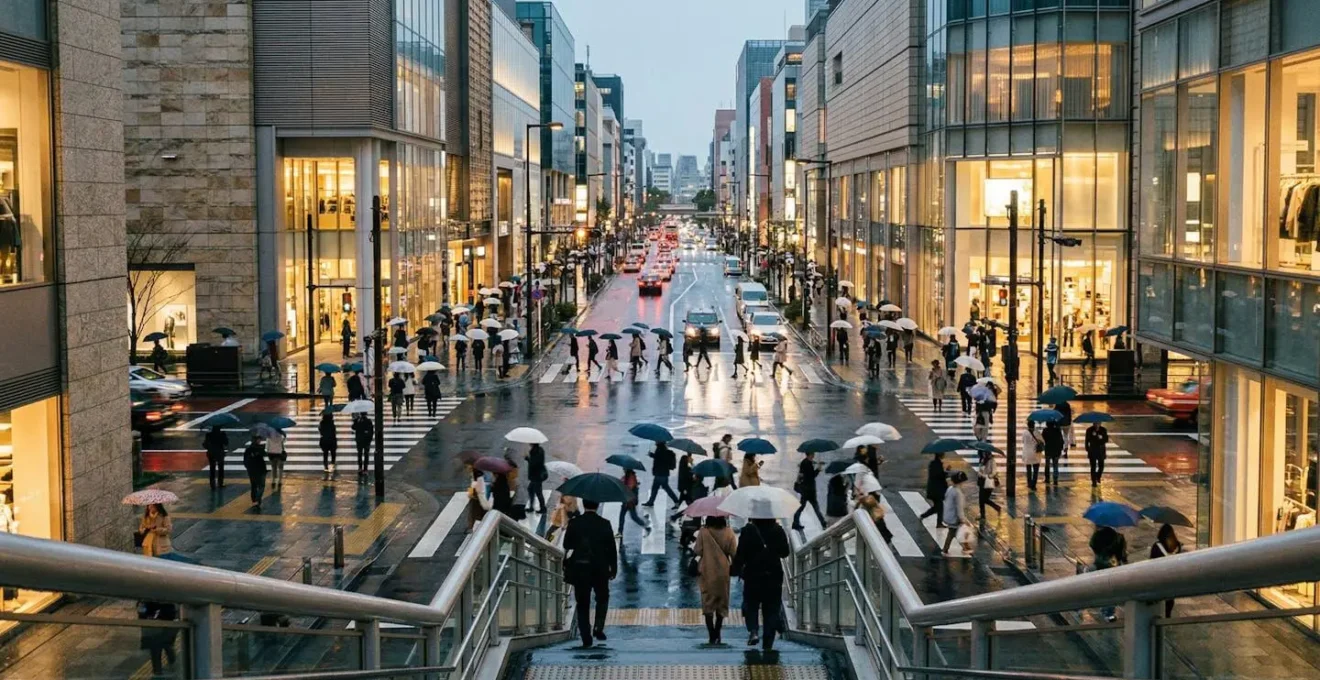
Feeling overwhelmed by the sheer thought of Causeway Bay’s crowds? The secret isn’t to avoid the district, but to master its unique rhythm and verticality. This guide reframes the challenge: instead of fighting the flow on the street, you’ll learn to rise above it, using upper-floor boutiques, hidden cafes, and smart timing to transform a stressful ordeal into a strategic and enjoyable adventure.
The first thing that hits you in Causeway Bay isn’t a sight or a sound, but a feeling: density. A tidal wave of people, a symphony of neon, and the magnetic pull of thousands of shops packed into one of the world’s most expensive retail districts. For any shopper, especially one intimidated by crowds, the experience can feel less like retail therapy and more like a survival mission. The standard advice—”go on a weekday” or “avoid holidays”—barely scratches the surface of the problem and often feels useless when you’re caught in the human river flowing down Hennessy Road.
What if the key to unlocking Causeway Bay wasn’t about finding the one mythical quiet hour? What if the solution was built into the very architecture of the district? The real strategy lies in understanding its layered worlds. It’s about learning to navigate vertically, not just horizontally. It’s about recognizing that for every chaotic, street-level storefront, there’s a tranquil sanctuary waiting just an elevator ride away. This isn’t just a guide to avoiding crowds; it’s a manual for mastering the district’s unique spatial rhythm.
This article will deconstruct the chaos and provide you with a clear, strategic plan. We’ll explore the cultural significance of its landmarks, compare its major retail hubs, and most importantly, reveal how to find the hidden gems and quiet corners that make shopping here a pleasure, not a punishment.
Contents: Your Strategic Map to Causeway Bay
- Why Is SOGO Culturally Significant and When to Avoid the Thankful Week?
- Times Square or Hysan Place: Which Mall Fits Your Style?
- How to Find Hidden Boutiques in Commercial High-Rises?
- Where to Find a Quiet Coffee Shop Amidst the Causeway Bay Chaos?
- How Late Can You Really Shop in Causeway Bay?
- When to Travel to Avoid the ‘Crush Load’ on the MTR?
- When to Visit Popular Districts to Beat the Crowds?
- How to Link Street Art Spots with the Best Coffee Shops for Breaks?
Why Is SOGO Culturally Significant and When to Avoid the Thankful Week?
SOGO isn’t just a department store; it’s a Causeway Bay institution and a cultural landmark. For decades, it has been the meeting point, the shopping destination, and the barometer of the district’s retail health. Its basement-level connection to the MTR station makes it the de facto starting point for many shopping trips, funneling a constant stream of people directly into its ground-floor cosmetics hall—a notoriously crowded space. Understanding SOGO’s central role is the first step to navigating the area strategically.
The most critical piece of intelligence is knowing when to avoid its peak chaos: the “Thankful Week.” This event is legendary, and for good reason. As a cornerstone of Hong Kong’s retail calendar, Sogo’s semi-annual ‘Thankful Week’ offers discounts of 50% or more on high-end brands, triggering a city-wide shopping frenzy. During these periods, the store and the surrounding streets become almost impassable. Unless you are a seasoned bargain hunter with a high tolerance for crowds, this is the one time you should steer clear at all costs.
For sane, everyday shopping, a smarter approach is required. Here are some tactics to experience SOGO without the crush:
- Use the MTR Advantage: Access the store directly from the Causeway Bay MTR station’s basement level to avoid the unpredictable street-level crowds.
- Think Vertically: The 16 upper floors are significantly less crowded than the basement and ground-level cosmetics sections. Start your journey at the top and work your way down.
- Time Your Visit: Target a weekday morning, arriving just after the store opens around 11 AM, for the most tranquil experience.
- Avoid Crowd Triggers: Weekends, public holidays, and even days with poor weather (when everyone flocks indoors) are prime times for peak crowds.
Times Square or Hysan Place: Which Mall Fits Your Style?
Choosing between Causeway Bay’s two dominant modern malls, Times Square and Hysan Place, isn’t just about picking a building; it’s about choosing an experience. Each has a distinct personality and architectural language that caters to a different type of shopper. Understanding their differences is key to an efficient and enjoyable visit, allowing you to align your shopping mission with the right environment and avoid wasting time in the wrong one.
Times Square is the established icon. It’s a vertical city of international brands, luxury goods, and a vast cinema. Its energy is classic Hong Kong: bustling, direct, and comprehensive. It’s the place you go when you have a specific high-end purchase in mind or want to feel the grand, buzzing pulse of the city’s commerce. Hysan Place, the newer contender, offers a different rhythm. It’s curated for a younger, trend-conscious crowd, with a focus on cutting-edge fashion, lifestyle brands, and an architectural design that encourages upward exploration.
This visual contrast in their interiors speaks volumes. Hysan’s iconic, sweeping escalators are not just for transport; they are an invitation to ascend, pulling you towards the open-plan floors and, ultimately, to the serene sanctuary of the Eslite bookstore at the top. This design inherently supports the strategy of vertical navigation, making it a natural choice for shoppers looking to escape the ground-level fray and discover something new with each floor they climb.
How to Find Hidden Boutiques in Commercial High-Rises?
The true secret to shopping in Causeway Bay lies beyond the glittering flagships and sprawling malls. The district’s soul is found in its “vertical malls”—nondescript commercial high-rises packed to the brim with tiny, independent boutiques. These buildings are the physical embodiment of the area’s hyper-dense, layered character. From the outside, they look like ordinary office towers, but inside, they are treasure troves for those in the know, offering unique fashion you won’t find anywhere else.
To find these gems, you must change your mindset. Stop looking at street-level window displays and start looking up. Identify the commercial buildings with lobby directories listing dozens of shop names. These are your targets. The experience is completely different from a traditional mall. Corridors are narrow, shops are the size of a closet, and the atmosphere is one of intimate discovery. You’re not a mass-market consumer here; you’re an explorer.
Case Study: The Island Beverley Centre
For a perfect lesson in vertical shopping, look no further than the Island Beverley Centre. This micromall exemplifies the concept, with four cramped floors of shoe-box-sized shops. According to Fodor’s travel guide, this is where you’ll find small local designers alongside Japanese and Korean brands that are hard to find overseas. The building itself was pivotal in establishing Causeway Bay as a fashion hub, proving that immense value and variety can be housed in minimal spaces. It’s a living demonstration that the most exciting finds are often hidden in plain sight, just a few floors above the street-level chaos.
Embracing this vertical shopping culture is the ultimate strategy for beating the crowds. While thousands throng the main thoroughfares, you can be peacefully browsing unique collections in a boutique on the 8th or 15th floor, often with the owner themselves as your guide. It’s a more personal, rewarding, and infinitely calmer way to shop.
Where to Find a Quiet Coffee Shop Amidst the Causeway Bay Chaos?
After a few hours of navigating the retail labyrinth, sensory overload is inevitable. The urge to find a quiet corner for a coffee and a moment of peace can feel like a desperate quest. In Causeway Bay, the solution, once again, is to look up. The ground-floor cafes are often just as crowded and noisy as the streets. The real sanctuaries are hidden on the upper floors of malls and commercial buildings, offering a strategic retreat from the chaos below.
These elevated cafes provide more than just caffeine; they offer a change of perspective. From a perch on the 10th floor, the bustling crowds you just escaped become a silent, fascinating spectacle through the window. This act of strategic ascent is a powerful tool for resetting your energy. It allows you to remain within the district’s vibrant heart while carving out a personal bubble of tranquility.
Case Study: The Eslite Haven in Hysan Place
The most famous example of an elevated sanctuary is the Eslite bookstore, occupying multiple floors at the top of Hysan Place. As noted by Time Out, this enormous space is more than a bookstore; it’s an unofficial quiet zone. The eighth floor, in particular, has become a haven with reading corners that serve as peaceful alternatives to traditional cafes. You can grab a book, find a seat, and let the world rush by several stories below. It’s the ultimate proof that tranquility and commerce can coexist, as long as you know which floor to find it on.
Don’t limit yourself to just Eslite. Many of the commercial high-rises that house boutiques also have small, independent cafes tucked away on their upper floors. Finding them is part of the adventure and the reward is a truly local, peaceful experience that most tourists will never find.
How Late Can You Really Shop in Causeway Bay?
Causeway Bay’s energy doesn’t fade when the sun goes down; it simply transforms. For the strategic shopper, the late-night hours offer a golden opportunity. As the main wave of shoppers and office workers dissipates, the district’s rhythm changes, becoming less frantic and more focused. Understanding the specific closing times of different types of stores is key to leveraging this later window and enjoying a less crowded experience.
While most regular retail stores will close their doors between 9:30 PM and 10:00 PM, the shopping night is far from over. The real game changers are the major flagships and specialty stores that cater to a different schedule. For instance, several flagship stores in Causeway Bay stay open until 10:30 PM or even as late as midnight, giving you a prime window to browse in relative peace. The key is to shift your schedule, perhaps enjoying a later dinner and then heading out to shop when others are heading home.
This late-night strategy allows you to completely sidestep the evening rush hour. Here’s a quick guide to the nocturnal retail landscape:
- The 8:30 PM – 10:00 PM Window: This is the sweet spot. Crowds thin out significantly as people move to restaurants and bars.
- Department Store Hours: SOGO extends its hours to 10:30 PM on Fridays and Saturdays, offering a valuable extra pocket of shopping time.
- The 24-Hour Players: For essentials or late-night snack runs, don’t forget the 24-hour convenience stores and the ever-popular Don Don Donki, which remain vibrant hubs long after other shops have closed.
- Entertainment Venues: Late night is also prime time for cinemas and karaoke bars, which can be a great way to cap off an evening of shopping.
By embracing the night, you are not just avoiding crowds; you are experiencing a different, more relaxed side of Causeway Bay’s personality.
When to Travel to Avoid the ‘Crush Load’ on the MTR?
Your strategic navigation of Causeway Bay begins before you even arrive. The journey itself, particularly via the MTR, can be one of the most crowded parts of the experience. The Causeway Bay MTR station is one of the busiest on the network, and during peak hours, the “crush load” is a very real phenomenon. The main time to avoid is the evening rush, typically between 6:00 PM and 7:30 PM on weekdays, when commuters and shoppers create a perfect storm of congestion underground.
However, simply avoiding peak hours is only half the battle. A truly efficient strategy involves considering alternatives to the MTR altogether. By changing your mode of transport, you can change your entire experience, turning a stressful commute into a pleasant part of your exploration. This is about choosing a different, often slower, rhythm that puts you back in control.
Consider these crowd-beating transport alternatives:
- The Iconic Tram: Hong Kong’s double-decker trams, affectionately known as “ding dings,” run directly along Hennessy Road. They are slower, but offer a fantastic, scenic view of the district from the top deck and are almost always less crowded than the MTR.
- Walking: Causeway Bay is more compact than it seems. Many of the major malls and points of interest are within a 5-10 minute walk of each other. Walking allows you to discover side streets and smaller shops you’d miss underground.
- Buses: A dense network of buses can take you to and from adjacent districts like Wan Chai or North Point, providing an overground alternative to the MTR crush.
- Tourist Octopus Card: Ensure you have a Tourist Octopus Card. This allows for seamless, tap-and-go payment across all these transport modes, making it easy to switch your strategy on the fly.
By opting for the tram or simply walking, you are choosing to engage with the district at a human pace, observing its details rather than just rushing from one point to another underground.
When to Visit Popular Districts to Beat the Crowds?
While Causeway Bay is perpetually lively, its crowd levels are not uniform throughout the day or week. Understanding the district’s pulse is crucial. The crowds are fueled by a powerful combination of local shoppers and a significant influx of visitors; in fact, tourist consumption historically makes up a staggering 30-40% of Hong Kong’s retail sales. This means the district is highly sensitive to tourism patterns, holidays, and local events. A strategic visit requires more than just avoiding weekends; it requires surgical precision.
The key is to target the “shoulder hours”—the periods just before or after a major rush. Think of the district’s energy like a tide: there are predictable ebbs and flows. Your goal is to be shopping during the ebb. For instance, the lunch rush between 1 PM and 2 PM brings a huge surge of office workers onto the streets. By planning your main browsing time before this, you can secure a precious hour of relative calm.
Similarly, the post-dinner period can be surprisingly pleasant. While the neon signs on Russell Street draw in evening crowds for photos, many have already moved on to dinner, leaving the stores themselves less packed. Be aware that this street often becomes pedestrian-only on weekend nights, which can concentrate crowds in one area.
Your Causeway Bay Crowd-Dodging Checklist
- Morning Browse: Target the 11 AM – 1 PM window on weekdays. Shops are open, but the lunch rush hasn’t started.
- Post-Dinner Stroll: Explore stores from 8:30 PM onwards, when the main dinner crowds have dispersed into restaurants.
- Event Check: Do a quick search for events at the nearby Hong Kong Convention and Exhibition Centre, as they can cause unexpected surges.
- Weekend Warning: If you must go on a weekend, go early. The crowds build steadily and peak in the late afternoon and evening.
- Plan for Pedestrianization: Be aware that Russell Street’s weekend pedestrian-only status changes crowd dynamics, and plan your route accordingly.
Key Takeaways
- Mastering Causeway Bay is about vertical navigation—escape street-level chaos by exploring upper-floor boutiques and cafes.
- Identify “hidden sanctuaries” like the Eslite bookstore or elevated coffee shops for strategic breaks to reset and recharge.
- Understand the district’s rhythm: use shoulder hours, late-night shopping windows, and alternative transport like the tram to avoid peak congestion.
How to Link Street Art Spots with the Best Coffee Shops for Breaks?
Once you’ve mastered the core strategies of vertical navigation and rhythmic timing, you can elevate your Causeway Bay experience from mere shopping to a curated urban exploration. The final level of mastery is learning to weave together the district’s different layers—commerce, art, and relaxation—into a seamless and personal itinerary. This is where you move from being a reactive shopper avoiding crowds to a proactive explorer creating your own perfect day.
The district is increasingly blending art and culture directly into its retail fabric. You’ll find large-scale artistic installations, creative ad campaigns, and temporary exhibits popping up, especially in the more trend-focused areas. Instead of treating these as separate activities, the savvy navigator links them together, creating a “culture trail” punctuated by strategic rest stops. This transforms a shopping trip into a more enriching and memorable journey.
Case Study: The Fashion Walk Art & Food Connection
Fashion Walk, centered around Kingston Street and the adjacent Houston Street (also known as “Food Street”), is a prime example of this integrated experience. This area of uber-cool boutiques actively caters to fashionistas while simultaneously showcasing large-scale art installations. It’s a space where commerce and creativity are in constant dialogue. The genius of its layout is the immediate proximity to a high concentration of cafes and eateries on Food Street. This allows you to create a perfect loop: browse the latest fashion, immerse yourself in a public art piece, and then immediately duck into a stylish cafe for a coffee break to reflect—all within a few steps. It’s a curated urban walk, designed for discovery.
This approach represents the ultimate expression of control over your environment. You are no longer just a consumer; you are the director of your own urban adventure. By identifying a few points of interest—a boutique, a street art installation, a promising cafe—you can chart a course that is efficient, enjoyable, and entirely your own, far from the chaotic push of the main crowds.
Now that you have the blueprint for navigating Causeway Bay’s crowds, the next logical step is to put it into practice. Start by planning a short trip focused on exploring one vertical mall or finding one elevated cafe, and build your confidence from there.